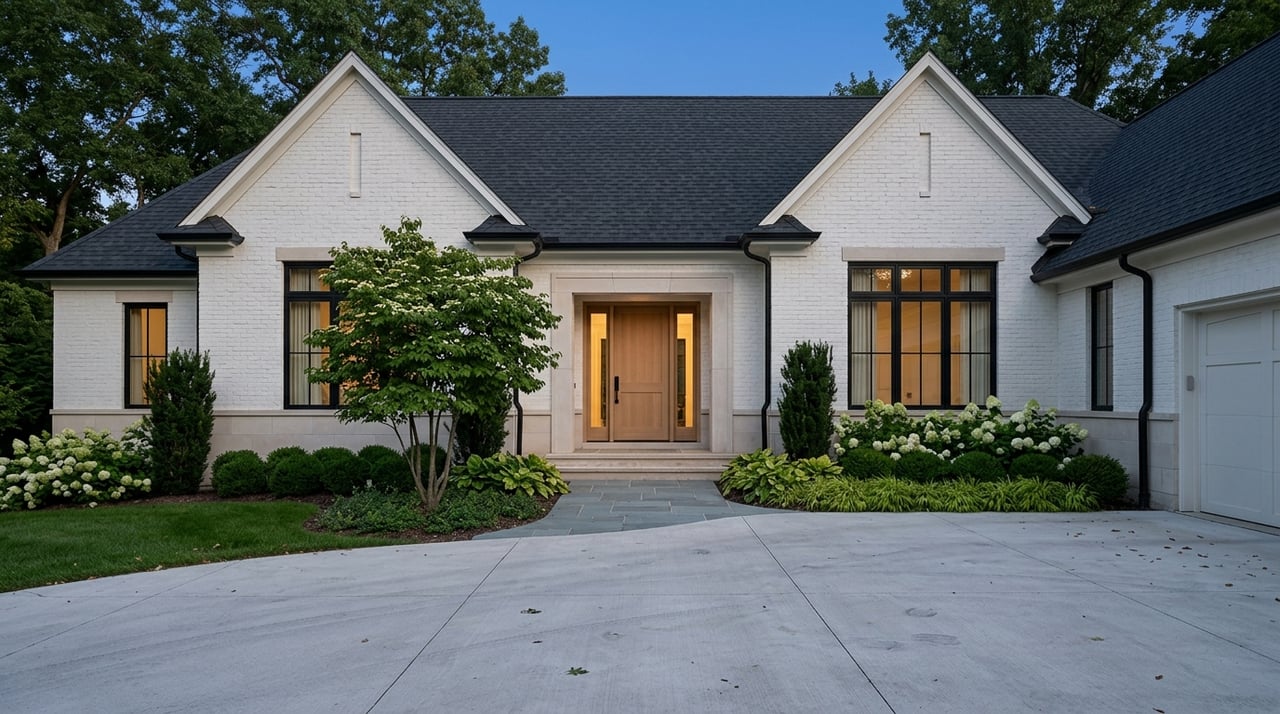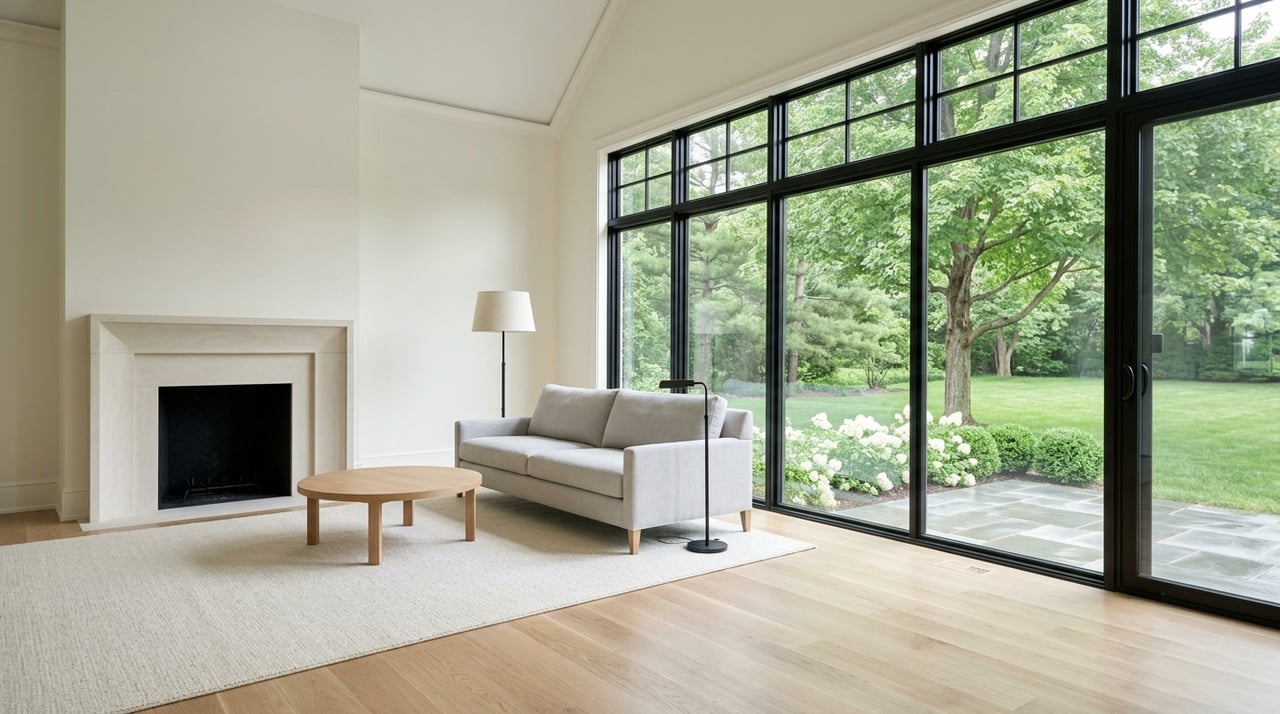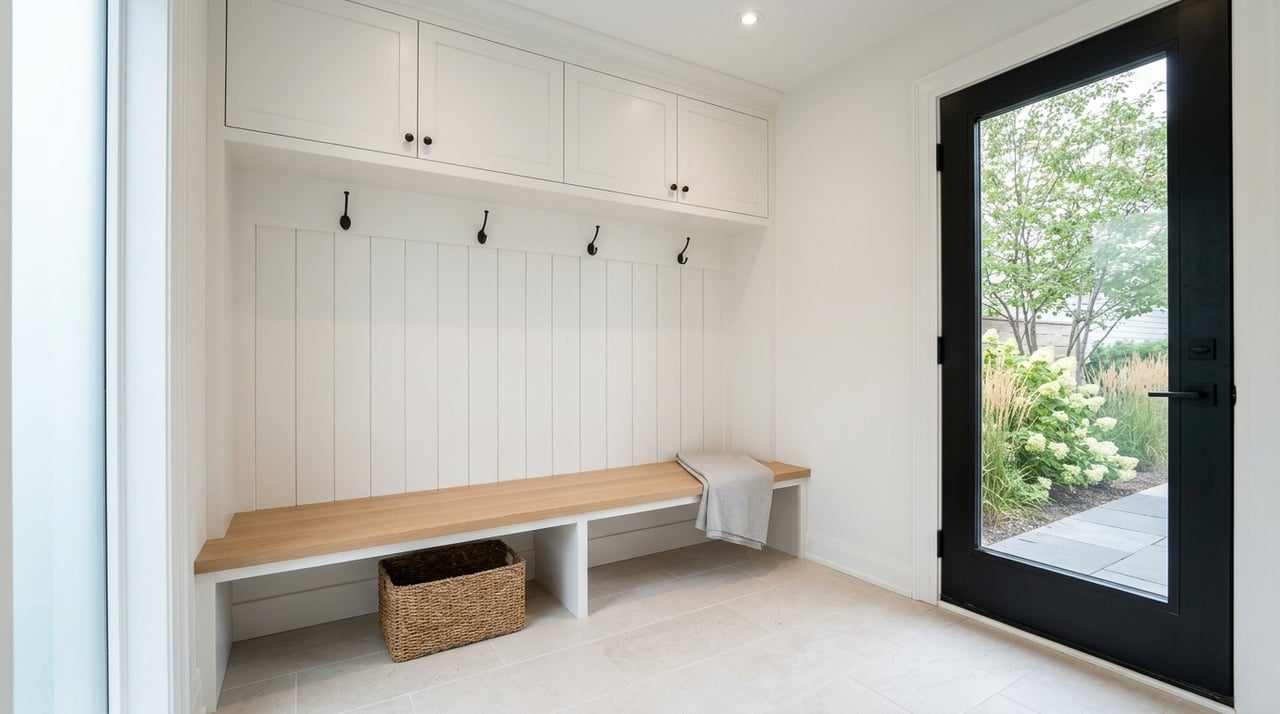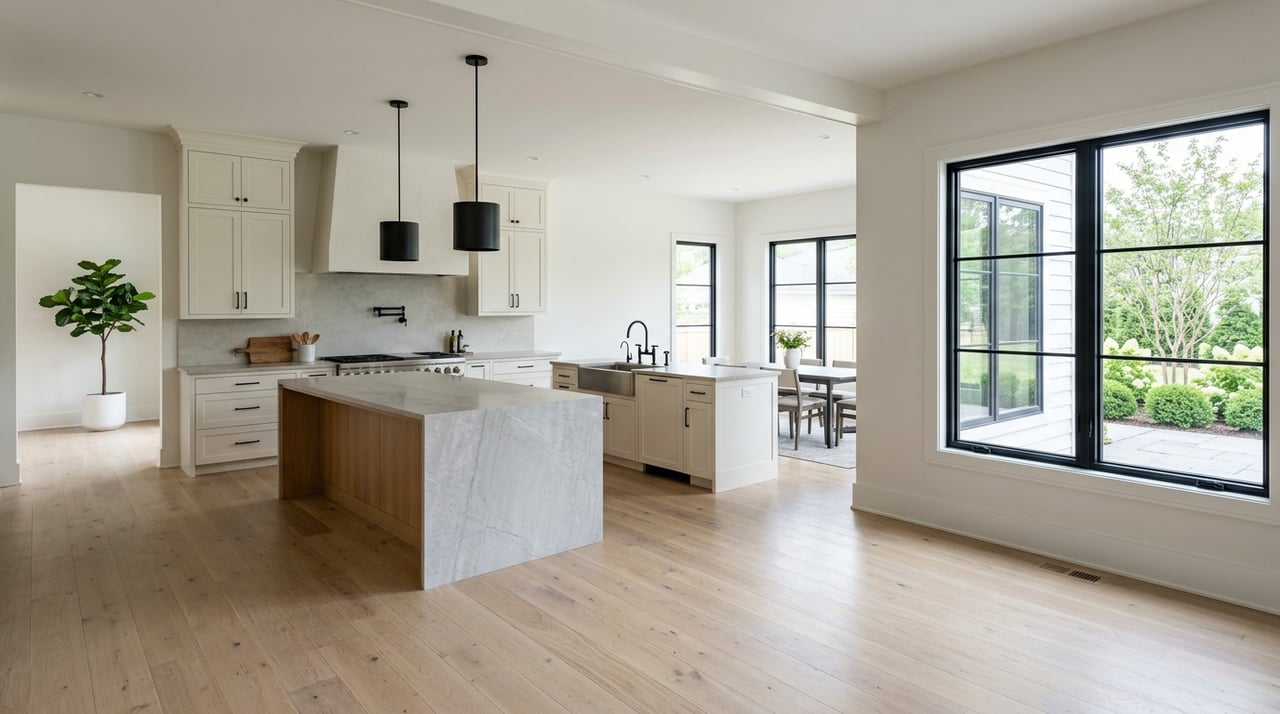
If you are thinking about building in Ada, it is easy to fall in love with a floor plan before you know whether the lot, timeline, and pricing really fit. That is where many buyers get surprised. A new construction or custom home can be a great path, but it comes with decisions that start well before finishes and design choices. If you want a clearer picture of what to ask and what to confirm before you move forward, you are in the right place. Let’s dive in.
Start With The Lot
In Ada, the homesite is not just where the house sits. It can shape what you are allowed to build, how the plan fits, and what approvals may be needed.
Ada Township’s residential zoning includes village residential, single-family, rural residential, and planned overlay districts. Verified district standards show that minimum lot sizes can range from 7,000 square feet in V-R to 15,000 square feet in R-3 and 19,000 square feet in R-2. That means a plan that works on one parcel may not work on another without changes.
This is why lot selection should be part of your feasibility check from the start. Before you commit, you want to know whether the footprint, setbacks, and approval path match the home you have in mind.
Why Lot Fit Matters In Ada
A beautiful plan on paper does not always translate to an easy build. In Ada, zoning and parcel specifics can affect whether you need a smaller footprint, a different layout, or even a different lot.
For buyers looking near the village core, timing can matter too. In the Ada Village PVM district, a development plan is generally required before a building permit for most projects, although a single-family dwelling or accessory structure on an existing lot is exempt under the code. That is an important distinction to understand early.
Understand Ada’s Permit Process
Ada Township uses Cascade Township for building permit issuance and inspection services. The process typically begins with a permit application and three sets of supporting plans submitted to Ada’s Planning & Zoning Department.
After zoning review and any required water and sewer connection fees, the file is forwarded to Cascade for permit issuance. For buyers, that means there is a local review path to account for before construction gets underway.
Village Projects Can Be More Time Sensitive
If your project falls in the Ada Village PVM area and requires development-plan approval, that approval generally must come before a building permit. Approved plans remain valid for 18 months unless a building permit is issued, and the approval may be extended once for one additional year.
That can make some village-area projects more timeline sensitive than a straightforward single-lot build elsewhere in Ada. If you are comparing homesites, this is one more reason to look beyond the list price.
Build Timelines Are Longer Than They Look
Many buyers picture the timeline starting when framing begins. In reality, the process starts much earlier with site visits, design work, budgeting, approvals, and selections.
A published West Michigan custom builder process outlines a typical sequence like this:
- Site visit and design
- Budget approval
- Permits
- Selections
- Site prep and foundation
- Framing
- Rough-ins
- Finishes
- Final inspection
- Punch list
- Occupancy
- 30 to 90 day warranty check
That same builder estimates planning and design at about 8 to 10 weeks and construction at roughly 9 to 12 months after framing begins. In other words, your full path from first meeting to move-in is often longer than the visible build phase alone.
Budget Beyond The Base Price
One of the biggest mistakes buyers make is treating the cost of a new home like a single number. In Ada, your budget usually needs to account for land, site work, utility connections, and ongoing utility costs separately.
West Michigan builders consistently point to land as the biggest variable. Site evaluation may include topography, soil conditions, water and sewer costs, utility costs, tree clearing, and municipality requirements. One builder notes that site-improvement costs can reach as much as 20 percent of the home’s cost.
What Site Costs Can Include
Depending on the parcel, site costs may cover much more than excavation and a foundation. They can also reflect how the land sits, what utilities are available, and how much prep is needed before building begins.
A site analysis may also consider natural light, privacy, views, and potential challenges. For buyers in Ada, that means the right lot is not always the least expensive one upfront.
Remember Ongoing Utility Costs
It is also smart to separate one-time connection fees from monthly ownership costs. Ada Township posts current water and sewer rates, which is a good reminder that utility expenses continue after construction is complete.
When you compare properties or builder packages, ask for clarity on what is included now and what you will be paying later. That simple step can make your budget feel far more predictable.
Ask How The Home Is Priced
Not every new construction purchase in Ada is structured the same way. Some homes involve a separate land purchase plus a construction contract, while others are bundled into a builder-owned homesite offering.
That difference matters because it can affect how the transaction is priced, financed, and timed. It is worth understanding this before you get too far into builder conversations.
Common Pricing Models
Builders commonly use:
- Fixed bid pricing
- Cost-plus pricing
- Combination or hybrid pricing
No matter which model is used, you should expect the contract to clearly spell out plans and specifications, selection allowances, change orders, retainage, and certificate of acceptance. The more clearly those items are defined in writing, the fewer surprises you are likely to face later.
Get Clear On Allowances And Change Orders
Selections are often where budgets shift. If your contract includes allowances for finishes or materials, make sure you understand exactly what those allowances cover and what happens if your selections go above them.
Change orders matter just as much. Before signing, ask how changes are approved, how they affect the timeline, and when added costs are due.
A good build experience usually depends on scope control. The more clearly the allowance schedule and change-order process are laid out, the easier it is to make decisions with confidence.
Know Your Financing Options
Financing a custom or new construction home can look different from financing a resale home. Construction-to-permanent financing may be structured as a single-closing loan or a two-closing loan.
This type of financing can also involve multiple advances during construction before converting to permanent financing later. Because structure matters, it helps to ask early how your lender handles the build phase, the conversion to permanent financing, and the timing of draws.
Verify The Builder And Warranty
Before you choose a builder, do your due diligence. Michigan LARA says a person engaged in construction of a residential structure must be licensed as a Residential Builder, subject to exceptions, so verifying license status should be part of your interview process.
You also want to review the warranty in detail. Most new-home builder warranties generally cover workmanship and materials in the first year, HVAC, plumbing, and electrical systems for about two years, and major structural defects for up to ten years.
Questions To Ask About Warranty Coverage
Ask for the warranty in writing and review what is covered, for how long, and what steps are required if an issue comes up. If you are using FHA or VA financing, it is also important to confirm any warranty requirements tied to that loan type.
A home may be brand new, but your peace of mind still depends on the details.
The Smart Buyer’s Ada Checklist
If you want to avoid expensive surprises, focus on four things before touring model homes or signing a builder agreement.
- Confirm the lot fits the plan
- Confirm the site costs
- Confirm the pricing model
- Confirm the warranty and lender structure
That simple framework reflects what matters most in Ada: feasibility and scope control. When those pieces are clear, the process tends to feel much more manageable.
Building in Ada can be exciting, especially if you want a home tailored to your lifestyle and long-term goals. The key is making sure the lot, budget, contract, and timeline all work together from the beginning, not just the design board. If you want thoughtful guidance as you compare homesites, builders, or new construction opportunities in Ada, connect with Brenda H Pratt.
FAQs
What should buyers check first for new construction in Ada?
- Start with the lot. In Ada, zoning, minimum lot size, parcel fit, and possible approval requirements can all affect whether your preferred plan is feasible.
How does the building permit process work in Ada?
- Ada Township asks applicants to submit a permit application and three sets of plans to its Planning & Zoning Department. After zoning review and any required water and sewer connection fees, the file is forwarded to Cascade Township for permit issuance and inspections.
What extra costs should buyers expect with a custom home in Ada?
- In addition to the home itself, buyers should budget separately for land, site prep, utility connection fees, and ongoing utility costs. Site-improvement costs can be a significant variable depending on the lot.
How long does a custom home build usually take in West Michigan?
- A published West Michigan custom builder estimate suggests planning and design may take 8 to 10 weeks, while construction may take 9 to 12 months after framing begins. The full process from first meeting to move-in is often longer than buyers expect.
What contract details matter most for Ada new construction buyers?
- Buyers should understand whether pricing is fixed bid, cost plus, or hybrid, and should review the written terms for plans, specifications, allowances, change orders, and acceptance.
What warranty coverage is common for a newly built home?
- Most builder warranties generally cover workmanship and materials for the first year, major systems like HVAC, plumbing, and electrical for about two years, and major structural defects for up to ten years.